



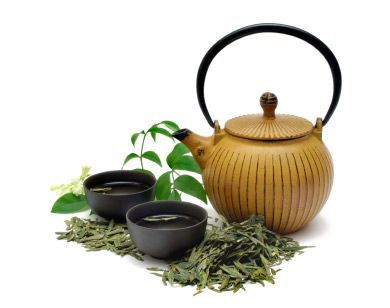
Tea is the most widely consumed drink in the world next to water, whether its black tea, green tea, white tea, served hot or iced.
But what specific health benefits can you get from tea, and which specific type of tea should you be going for to get the best results?
First, what is Tea, and how are the different varieties made?
Tea is made from the leaves of Camellia Sinensis and comes in many different varieties. Tea can be white, green, black or oolong. There are different processing methods that account for the differences in these types of teas.
Sencha Tea

Different from Chinese green tea, Sencha is a “roasted tea’. This tea is known for being pan-fired, which is also very different from the way Japanese green teas are steamed for up to 45 seconds. This is done to keep the leaves from oxidizing.
Japanese Green tea has a much more natural flavor than Chinese versions. The Japanese version has an earthy taste which is sometimes compared to seaweed and grass.
Teas are shaped into tiny cylinders in which then can be dried. Even after drying they are fired once more to keep them from going bad and to make them even more tasty than they already are.
Like most Japanese teas, the essence of Sencha is derived from steaming and has a more bitter taste than what Chinese green tea delivers.
To ease the winter chill, Sencha is taken hot and in the summer, it is cold. Both are popular with the Japanese.
When speaking of antioxidants, Sencha tea should come to mind. It contains a polyphenol called catechin. What this does in the tea is allows it to help make free radicals in the body to fight off all kind of destruction to the body. It aids in fighting many diseases, such as degenerative diseases and heart disease.
One of the best catchins is in green tea and is called Epigallocatechin gallate (EGCg).
Another great thing about green tea, is it’s anti-bacterial effects. It fights off artery blockage as well. When your blood forms platelets, which end up clotting your blood, the catechin reduces that and in turn lowers blood pressure. This is great for lowering stress levels.
Pu’erh Tea
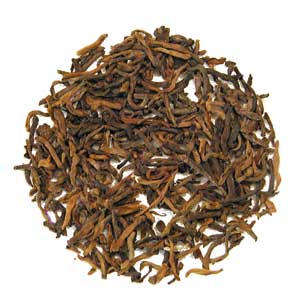
Unlike other teas, Pu’erh is harvested year round. It is a large leaf tea.
The tea is called Pu’erh due to the city in Yunnan in which many teas were traded for many years. As for taste, Pu’erh resembles the family of black teas, but the resemblances end there, as it has a unique flavor profile all its own.
For example, one unique aspect of Pu’erh is that it improves as it ages. This is all due to the methods in which the tea is harvested, processed, and only fired to a partial degree. This leaves a small amount of moisture in the leaves, which can then age in a separate room or other area.
These teas, in a similar fashion as vintage wines age, and appreciate with time. These teas can age for a variety of periods, but some go back decades or even over 50 years.
Pu’erh is very popular world wide, but it has special popularity in China for 1700 years. Labeled the “Wonder Tonic”, the Chinese gave it to Emperors and other important officials in Imperial Courts, as it was believed to have medical and health benefits. It is for this reason that Pu’erh has also been given the nickname “Tribute Tea.”
Many ancient to modern Chinese texts have described the benefits of drinking this tea.
Some Chinese people drink the tea after eating a fatty meal, believe that it helps digest the fat more quickly and thus helping the drinker to avoid bloating.
Scientific studies have also corroborated the health effects of the tea. For instance, 500 hyperlipidemia patients (people with a cholesterol problem) were put into a French blind study. They drank three to four cups of the tea a day; the control group drank other beverages.
After a month, those who drank Pu’erh had lower cholesterol levels.
Oolong / Wu Long Tea

Oolong tea, more commonly known as Wu Long Tea, is a healthy way to enhance the body’s ability to fight obesity, help prevent tooth decay by stopping the buildup of plaque (which was shown during a study conducted by the Department of Dentistry at Japan’s Osaka University), strengthen immune systems as shown by study published in Antioxidants & Redox Signaling, and was found to clear up skin problems within a month by a group study performed by researchers at Japan’s Shiga University of Medical Science facility. As with all other types of tea, Wu Long tea has been found through numerous studies to be medically helpful when it comes to the health of the human body.
The Camellia Sinesis plant is the first step in obtaining the key ingredient of any type of tea. Polyphenol, which is a chemical compound formed within the plant while it is growing that helps it to protect itself from photosynthetic stressors, is found to be the cause of the health benefits that can be obtained from the ingestion of tea by dissolving triglycerides. Flavonoids are one of the chemical compounds formed within the polyphenol, which are antioxidants that protect the body against all free radicals.
In order for the green tea leaves to be made into Wu Long Tea the processing steps are different than which is followed normally. The normal way to process the green leaves after they are picked is to heat them in order to dry them out, which stops the oxidization process. When it comes to Wu Long Tea, though, the green leaves are carefully harvested within controlled conditions and then are allowed to oxidize. During the oxidization process the leaves remain unbroken, ensuring that the cell structure of the leaves remain intact.
Oolong tea, even though it has to be processed differently the most forms of tea, still provides numerous health benefits to the human body, and if it is ingested on a regular basis will aid in living a healthier lifestyle.
Black Tea or Green Tea: Which has the most health and weight loss benefits?
According to a new analysis published in the American Journal of Clinical Nutrition, green tea is much more likely to help with reducing the risk of heart disease. The risk of heart disease drops by 10% for each cup of green tea that a person drinks every day.
Catechins in green tea and to a lesser extent in black tea are capable of keeping blood vessels healthy, reducing cell damage and inflammation. Green tea and black tea vary widely in the amount of catechins they contain. Black tea that is less fermented can have significant amounts of catechins, and some green teas may contain less catechins than others. Loose leaf tea contains more catechins than tea bags and bottled types of tea are devoid of catechins.
Green tea can also protect the brain from developing Alzheimer’s disease and plays a vital role in protecting the body against cancer. Compounds in the post digestive tea extract can bind selectively with toxic chemicals in the brain and protect the neurons and synapses that are essential in learning and forming new memories.
The main benefit of green tea is that is loaded with EGCG or epigallocateching gallate, but in black tea this compound is converted into other compounds. The theaflavins and thearubigens compounds in black tea are also beneficial for our health but the caffeine content in black tea is higher. Over doses of caffeine can lead to side effects such as restlessness, insomnia, headache or nausea.
Green tea and black tea are processed differently, while green tea is dried over gentle heat, black tea is allowed to oxidize. During the oxidation, the phytochemicals in the tea change form. Catechins are replaced by theaflavins and thearubigins. Theaflavins present in black tea possess a similar antioxidant potency to catechins present in green tea.
What does the research say about the benefits of Green Tea?
Research is consistently showing that there are many health benefits of tea. The goodness in tea mainly comes from antioxidants, namely polyphenols. Antioxidants help to reverse the effects of oxidation. Oxidation occurs during the numerous reactions that happen in the body each day.
Eye Health
One of these benefits is eye health. Researchers in Japan believe that the catechins in green tea may help protect our eyes against glaucoma and other problems caused by oxidative stress. Tea may also help improve digestive health, and have antibiotic properties. Tea contains compounds that can inhibit the growth of bacteria that cause bad breath and may help prevent dental caries.
Mental function and Stroke risk
The results of a cohort study of 2501 people in Singapore, who drank green tea, revealed lowered risks of cognitive impairment. As a result, tea may also help with mental function and decrease the risk of stroke. It could also help with decreasing the risk of mental impairment and increasing mental alertness over time – great news if you want to stay mentally alert in your senior years!
As well as having antidepressant properties, tea may also help you to recover from stressful situations. Research has shown that drinking tea lowers the amount of cortisol (a stress hormone) after events which are stressful.
Cancer, Cardiovascular disease and diabetes
There is also research that suggests that tea may help to reduce the risk of some cancers, although this still needs more conclusive research before we can be certain of this. Drinking tea can reduce the risk of cardiovascular disease and diabetes. Current research reveals that drinking 3 or more cups of green tea a day is beneficial. Tests found that green tea may reduce the risk of stroke by 21%. This is especially important as these are two major conditions which affect a large number of the population.
Drinking green tea was also found to reduce the risk of diabetes in elderly populations. One cup of green tea daily has proven to increase insulin sensitivity by 13%. This could potentially lower the risk of type 2 diabetes.
Metabolism, cholesterol and fat burn
There is thought that tea may help to increase your metabolic rate and speed up the use of fat. Compounds in tea can also improve glucose sensitivity and improve glucose tolerance. As well as all of these benefits to your health, tea may also be able to boost immunity.
A random controlled trial was performed in Taiwan on 78 obese women. They each drank 400 mg of green tea extract three times a day. All participants experienced significant reductions in LDL-cholesterol and triglyceride levels. In addition, simultaneous increases in levels of HDL-cholestrol, adiponectin and ghrelin were recorded. Adiponectin is the hormone that promotes insulin sensitivity and ghrelin moderates hunger.
A US study was done on genectically obese and lean mice fed 0 to 2% green tea extract for six weeks. After the study, the obese mice weighed 23-25% less than obese mice fed the non-supplemented diet. Lean mice fed green tea, weighed 11-20% less than lean mice not given the extract.
Another study was done on 12 healthy young men taking part in cycling trials. Each were given either green tea extract or a placebo. Average fat oxidation rates were 17% in the green tea group. The contribution of fat oxidation to total expenditure was significantly higher as well.
Hydration and digestive health
Tea can also play a role in maintaining hydration. Tea is made with water so can be part of your daily intake, however remember to include some plain water each day, and avoid tea immediately before and after meals as the tannins in it can inhibit the absorption of iron.
Green Tea has unique therapeutic properties and has been used to heal for thousands of years. Some of the health benefits of green tea include:
How to take advantage of the benefits of Green Tea daily?
The easiest way to take advantage of green tea is to take a green tea extract daily, as this will provide a concentrated dose equivalent to many cups a day of green tea. And if you are looking for optimal weight loss benefits why not try our Garcinia Complex supplement which contains a massive 270mg of green tea extract per serving.
Alternatively you can buy high quality green tea at your local tea merchant. To get the best results, drink a minimum of 3 cups a day brewed between 22°F – 140°F (50°C – 60°C).






Leave A Comment