



Keeping track of your progress when you are trying to lose weight and improve your lifestyle is a great way to stay motivated – but what is actually worth measuring?
The obvious measure that most people think of when tracking progress is to use weight as a gauge of their progress. This has both advantages and disadvantages as weight is not a direct measure of health and wellbeing.
Although losing body fat can help lower the risk of many health conditions simply relying on your weight may not be an accurate measure. If you lose body fat you will have lost weight but what you may not realise is that other aspects of your body composition may have changed too. For example, someone who steps on the scales and finds that they have not lost weight may in fact have lost fat but gained a little muscle. This negates any effect on the scales. Someone who has had a large meal or consumed a large amount of fluid may also weigh heavier than what they actually are. Weighing can be helpful as a guideline but it is useful to remember not to get fixated on the numbers and use weight in conjunction with other measures.
The easiest way to measure progress, is to use a body fat analyser. The most accurate are in health centers, or you can purchase body weight scales which feature body fat measurement. Although the latter is not as accurate, it will provide an accurate measurement of your progress. Just remember to take the readings at the same time of day under the same conditions.
To get a more accurate measure of changes in your body composition you could look at getting anthropometric measurements or skinfolds taken. A trained anthropometrist can measure different sites on your body and calculate changes in body fat percentage and muscle mass.
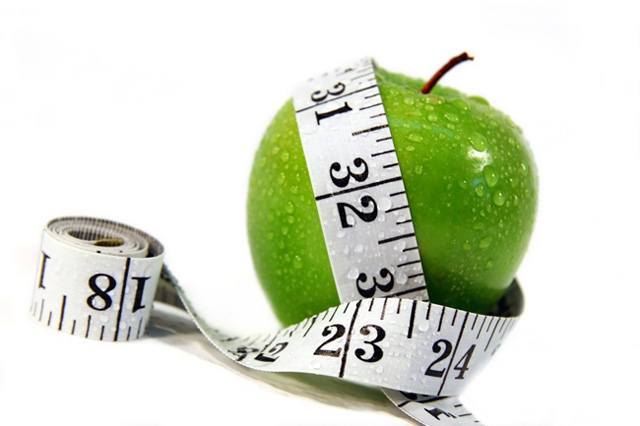
An easy and quick way to measure your progress at home is to take measurements at different sites on your body with a tape measure. You could measure your problem areas (for example your hips or upper arm) or take a range of measures including hip, chest, thigh, calf, and upper arm. You can easily record these on a spreadsheet and track your progress via a graph. If you can, ask a family member or friend to take the measures for you so they are more accurate (it can be hard doing your own arms!).
Another measure you may like to use to track your progress is to take a waist measurement. Ideally for women this should be less than 80 centimetres and for men less than 90 centimetres. If you already fall under this measure then this is great but if not you can use this measure as a goal. When you measure your waist ensure that you take the measurement around the waist (near your belly button) without pulling your stomach in – you should still be able to talk!
There are a number of measures that you cannot do at home but that you can get done at your doctors to check your progress. These include checking your cholesterol, triglycerides and blood glucose levels. As you make improvements to your diet and lifestyle these should change in response.
Taking frequent full body pictures is another great way to track progress and maintain motivation when you feel the urge to snack on some forbidden treats!
Lastly we highly recommend keeping a diary of your measurements, as well as how you feel. Although the latter is subjective, it is important to take note how how you feel as this is the most important factor in your health and wellbeing.
Although it can be tempting to measure your progress simply by stepping onto the scales there are more ways to accurately measure changes. Using a range of measures can help to show you the overall picture of your progress and will help you stay motivated in the long term.






Leave A Comment