



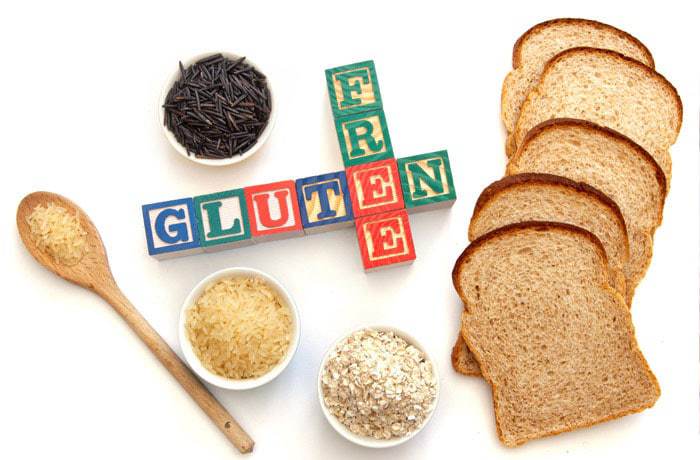
Over the past few years we’ve seen the market flooded with a wide range of gluten-free foods, covering every from breads and pastas to sauces and other items that wouldn’t have contained gluten to begin with.
This has been largely due to a rise in popularity and an increasing number of people complaining of gluten intolerance or NCGS, Non-Celiac Gluten Sensitivity.
While the science behind this suggests that only a very small percentage of the population is actually allergic to gluten, there is no denying that moving to a diet that is lower in gluten-rich foods has proven beneficial to many people.
In this article we’re going to look at exactly what constitutes a gluten-free diet, as well as what the benefits and possible side effects may be, before moving onto a selection of supplements that you can incorporate into your diet to reap even greater benefits and enhance your weight loss results.
What is a Gluten-Free Diet?
A gluten-free diet is fairly self-explanatory in that it is an approach to eating that completely eliminates any sources of gluten, including foods such as:
- Wheat-containing foods, including:
- Bread;
- Crackers;
- Biscuits;
- Pasta; and
- Starchy sauces
- Barley
- Rye
- Oats not labeled as gluten-free
- Semolina
- Couscous
- Durum Wheat
- Buckwheat
- Spelt
Gluten sensitivity, celiac disease, and wheat allergy are all separate conditions but for the purpose of this article we will focus on the specific mechanisms which affect the former because the latter two are relatively uncommon in the general population.
Benefits of a Gluten-Free Diet
A study published the American Journal of Gastroenterology in 2009 defined gluten sensitivity as “one or more of a variety of immunological, morphological or symptomatic manifestations that may also be shared by celiac disease and irritable bowel syndrome (IBS)
Using this definition we can see that the effects of gluten sensitivity encompass many aspects of our health, affecting everything from our digestive system to our immunity against disease and pathogens.
Symptoms associated with this type of sensitivity include diarrhea, irritable bowel syndrome, urticaria, chronic inflammation, lethargy, and more.
The general premise is that by reducing the gluten in one’s diet or eliminating altogether these symptoms can be managed to make for a more enjoyable lifestyle and a higher quality of life overall.
Issues and Side Effects of a Gluten-Free Diet
There do not appear to be any major side effects associated with a gluten-free diet.
It is worth noting, however, that you are likely to experience a significant increase in the way your body responds to foods and environments that have been cross-contaminated with gluten.
The longer you go without eating gluten, the more likely you are to experience adverse side effects if you do happen to consume some inadvertently, and it is not uncommon for people to indulge after a few weeks or months only to suffer serious pain and discomfort, potentially for days thereafter.
In a world that is so dominated by gluten-rich foods it may be worth taking this risk into consideration before you decide to remove gluten from your diet altogether.
With this in mind, it is highly recommended that you consult your doctor or physician prior to starting this kind of diet so that you can take a blood test to see if you actually suffer from a severe intolerance to gluten.
If you do not and would like to use a gluten-free diet solely a method for weight loss then this might not be the best course of action.
Which Supplements to take on a Gluten-Free Diet?
It can be difficult to get as much fiber in your diet when you eat a gluten-free diet, simply because many gluten-free foods are not as rich in fiber as their more glutinous counterparts.
For this reason, we recommend using our powerful CoreFlush or Fibre Complex supplements.
Rich in soluble fiber, CoreFlush contains psyllium husk as its primary ingredient which binds to toxic waste products in your digestive tract so that they can be flushed away in your bowel movements, just as the name would suggest!
Another fiber supplement that you might like to consider adding to your GI-health arsenal is our Glucomannan Fiber Complex.
Glucomannan is particularly useful as an appetite suppressant which helps significantly with portion control so that you don’t end up overeating while trying to lose weight.
Many people report intense cravings for bread and other wheat products when first starting a gluten-free diet, so adding glucomannan fiber to your diet will help to keep you fuller for longer while also giving your body the fiber it needs to ensure optimal digestive health.
The majority of people who are starting a gluten-free diet, or any diet for that matter, are typically doing so to lose weight, and fat loss isn’t the easiest thing in the world to achieve on a consistent basis for those of us who live hectic busy lifestyles.
This is why we recommend using our Green Coffee supplement so that you can enjoy sustained weight loss, even when the going gets tough.
Green coffee beans are a potent source of chlorogenic acid, which is an antioxidant and may also help promote optimal metabolism.
We would also like to give our guarantee that all of our products are manufactured using nothing but the highest-quality, highest-purity ingredients, with no artificial fillers, binders, or other unnecessary additives.
We also pride ourselves on not using cheap imported products because we understand that when you are investing in your health and wellbeing you want to enjoy the peace of mind that you are giving your body nothing but the best.





Leave A Comment