


Notre Glucomannan Complex vient d’être amélioré, offrant plus de glucomannane, d’antioxydants, des vitamines et de sels minéraux, ainsi que de brûleurs de graisse synergétique dans un agréable format de capsule végétarienne.
Sale!


Glucomannan Fiber Complex – Pack de 2 mois
Le prix initial était : £59.98.£44.99Le prix actuel est : £44.99.
Description
Le Glucomannane, également connu sous le nom de racine de Konjac, est une fibre alimentaire hydrosoluble pouvant absorber 200 fois son poids et agit comme gel d’expansion lorsque combiné à l’eau. En conséquence, il a été prouvé qu’il est un moyen populaire pour la perte de poids.
Le complexe de fibre de Glucomannane offre les précieux avantages de la racine de Konjac dans une formule synergique incluant : pelure de bigaradier, cétones de framboises, caféine anhydre, thé vert, L-tyrosine, mangue africaine, capsicum, guarana, ginseng de Sibérie et pipérine, avec de la vitamine B6, La choline, le zinc, le picolinate de chrome et l’iode dans un format pratique de capsule.
Comment fonctionne Glucomannan Complex?
Notre formule unique Glucomannan Complex comprend une puissante combinaison de brûleurs de graisse, regardons en détail les ingrédients:
Glucomannane (racine de Konjac)
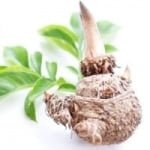
Le Glucomannane est naturellement riche en fibres, pauvre en calories et peut absorber jusqu’à 50 fois son poids. Des études ont montré que le Glucomannan contribue à la perte de poids dans le cas d’un régime hypocalorique. Cet effet s’obtient avec un apport quotidien de 3g de glucomannane en trois doses de 1g chacune avant les repas, avec 1-2 verres d’eau.
Choline

Les lipides sont des matières grasses et la choline est un nutriment soluble dans l’eau contribuant au métabolisme lipidique normal.
Pelure de bigaradier

Le bigaradier et sa peau contiennent une substance unique appelée p-synéphrine.
Capsicum (piment)
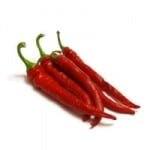
Le Capsicum contient de la capsaïcine responsable de la sensation de chaleur et d’épice des piments. Les études montrent que la capsaïcine peut aider à augmenter le métabolisme en étant associé à l’exercice.
Cétones de framboises
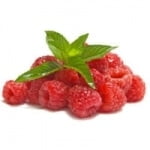
Les cétones de framboises sont des composés phénoliques naturels responsables de l’arôme des framboises rouges. Ils ont une structure moléculaire proche de la capsaïcine.
Iode
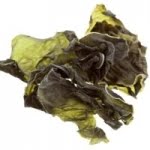
L’iode contribue au métabolisme énergétique normal, à la production d’hormones thyroïdiennes et à la fonction thyroïdienne.
Picolinate de chrome

Le chrome contribue au métabolisme des macronutriments et au maintien de la glycémie.
La caféine anhydre
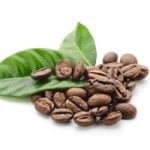
Profitez des propriétés thermogéniques de la caféine avec des extraits de caféine pure.
Zinc

Le zinc contribue au métabolisme acido-basique, au métabolisme des glucides, des macronutriments et des acides gras.
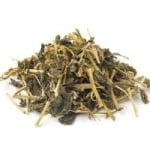
Le thé vert est riche en polyphénols, en particulier EGCG, pouvant être liés à des fonctions anti-oxydantes et thermogéniques.
L-Tyrosine
Un acide aminé et précurseur de plusieurs neurotransmetteurs essentiels (y compris l-dopa, dopamine, norépinephrine et épinéphrine), la L-tyrosine est également un précurseur de l’hormone thyroïdienne, la thyroxine (également appelée T4).
Mangue Africaine (Irvingia gabonensis)

Originaire d’Afrique de l’Ouest, la graine de Mangue Africaine est une source naturelle de fibres solubles.
Guarana
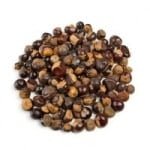
Le Guarana est l’une des plus riches sources de caféine (avec plus de caféine que les grains de café) longtemps utilisée par les tribus amazoniennes pour ses propriétés énergisantes.
Vitamin B6

La vitamine B6 contribue à réguler l’activité hormonale, à la synthèse de cystéine, au métabolisme énergétique, au métabolisme du glycogène et à la réduction de la lassitude/fatigue.
Ginseng de Sibérie

Le ginseng de Sibérie contient des composés appelés éleutherosides, et est également appelé « adaptogène ».
Pipérine
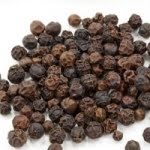
La pipérine peut aider à augmenter le niveau d’absorption des nutriments par l’inhibition d’enzymes responsables du métabolisme des éléments nutritifs.
Consignes de sécurité et les effets secondaires signalés pour la formule Glucomannan Fibre complex
Prenez la capsule avec un grand verre d’eau. Prendre ce produit sans fluide adéquat peut causer des gonflements et bloquer votre gorge ou votre œsophage et causer l’étouffement.
Contient de la caféine alors éviter si vous avez une haute pression sanguine ou être sensible à la caféine.
Aucun effet secondaire significatif n’a été reporté pour les ingrédients contenus dans la Fibre Complexe Glucomannane.
N’acceptez aucun compromis avec les produits Better Nutrition Labs
Better Nutrition Labs garantit la fabrication de suppléments de qualité par l’utilisation d’ingrédients certifiés haute qualité ainsi que des formules efficaces.
Tous nos suppléments sont fabriqués au Royaume-Uni et certifiés aux normes GMP et ISO9001:2008.
Expédition le meme jour pour une livraison plus rapide à votre porte
Commandez avant 15:00 GMT (du lundi au vendredi), et nous expédierons votre commande le jour même. Toutes les autres commandes seront expédiées le jour ouvrable suivant.
Nos paquets sont discrets et rentrent dans votre boîte aux lettres pour votre commodité.
En savoir plus sur le fonctionnement du Glucomanna Fiber Complex
Pour en savoir plus sur la science derrière notre complexe alimentaire vous pouvez visiter notre section « études cliniques ».
90 capsules par boîte
Chaque portion (2 capsules) fournit : %VNR*
Vitamine B6 – 10mg 714 %
Choline – 8mg –
Zinc – 4mg 40 %
Picolinate de chrome- 50mcg 125 %
Iode – 30mcg 20 %
*VNR = Valeur Nutritionnelle de Référence
Fournit également :
** Glucomannane en poudre – 1000mg
Poudre de pelure de bigaradier – 100 mg
Cétones aux framboises – 60mg
Caféine anhydre – 50mg
Extraits de thé vert (40 % de catéchines), équivalent à 500 mg d’herbe fraîche, fournissant 20 mg de catéchines) – 50 mg
L-Tyrosine – 40mg
Extraits de mangue africaine (équivalent à 200 mg de poudre de mangue africaine) – 20 mg
Extraits de capsicum (équivalent à 80 mg d’herbe fraîche) – 10 mg
Extraits de guarana (22 % de caféine), équivalent à 40 mg d’herbe fraîche – 10 mg
Extraits de ginseng de Sibérie (équivalent à 350 mg d’herbe fraîche) – 10 mg
Pipérine (extraits de poivre noir) – 3 mg
** Cet effet s’obtient avec un apport quotidien de 3g de glucomannane en trois doses de 1g chacune avant les repas, avec 1-2 verres d’eau.
Ingrédients : Poudre de Glucomannane (Konjac), Enveloppe de Capsule Végétarienne : Hydroxypropylméthylcellulose (HPMC), Poudre de Bigaradier, Cétones de Framboise (de poudre de framboise), Poudre de Caféine Anhydre, Extraits de Feuilles de Thé Vert.10:1 (40 % Catéchines), Poudre L-Tyrosine, Agent Anti-agglomérant : Stéarate de Magnésium (origine végétale), Extraits de Mangue Africaine 10:1, Poudre de Chitar Bitartrate, Vitamine B6 Poudre Pyridoxine Hcl, Extraits de Capsicum.8:1, Extraits de Guarana 4:1, Extraits de Ginseng de Sibérie 35:1, Poudre Oxyde de Zinc, Pipérine (Extraits 95 %), Extraits de Varechs 4:1 (1 % d’Iode), Poudre de Picolinate de Chrome.
Convient aux végétariens.
Prenez 2 capsules, jusqu’à 3 fois par jour avec un grand verre d’eau.
1 portion = 2 capsules.
Ne pas excéder la dose recommandée.
Prendre 2 pilules, 2 fois par jour.
Attention :
Contient de la caféine.
Prendre ce produit sans fluide adéquate peut causer des gonflements et bloquer votre gorge ou votre œsophage et causer l’étouffement.
Les suppléments ne doivent pas servir à remplacer un mode de vie et une nutrition équilibrée.
Si vous avez moins de 18 ans, êtes enceinte et allaitez ou suivez quelconque traitement, en parler à votre médecin traitant avant usage.
Cessez l’usage et contactez votre médecin traitant immédiatement en cas effet inverse.
Non prévu pour les personnes en dessous de 18 ans. Evitez si vous avez des difficultés à avaler.
Contient de la caféine alors éviter si vous avez une haute pression sanguine ou être sensible à la caféine.
Ces faits n’ont pas été évalués par Association de Drogues et Nutrition. Ce produit n’est pas étudié pour le diagnostique, le traitement, la guérison ou la prévention de quelconque maladie.
Stockage :
A garder dans un lieu frais et à l’abri du soleil, hors de vue et portée des enfants.
Ne pas utiliser si l’emballage est abîmé.
A consommer jusqu’au (voir sous l’emballage)
Glucomannan studies
Effect of glucomannan on obese patients: a clinical study
An eight-week double-blind trial was conducted to test purified glucomannan fiber as a food supplement in 20 obese subjects. Glucomannan fiber (from konjac root) or placebo was given in 1-g doses (two 500 mg capsules) with 8 oz water, 1 h prior to each of three meals per d. Subjects were instructed not to change their eating or exercise patterns. Results showed a significant mean weight loss (5.5 lbs) using glucomannan over an eight-week period. Serum cholesterol and low-density lipoprotein cholesterol were significantly reduced (21.7 and 15.0 mg/dl respectively) in the glucomannan treated group. No adverse reactions to glucomannan were reported.
http://www.ncbi.nlm.nih.gov/pubmed/6096282
Konjac-mannan (glucomannan) improves glycemia and other associated risk factors for coronary heart disease in type 2 diabetes. A randomized controlled metabolic trial.
A total of 11 hyperlipidemic and hypertensive type 2 diabetic patients treated conventionally by a low-fat diet and drug therapy participated. After an 8-week baseline, all were randomly assigned to take either KJM fiber-enriched test biscuits (0.7 g/412 kJ [100 kcal] of glucomannan) or matched placebo wheat bran fiber biscuits during two 3-week treatment phases separated by a 2-week washout period. The diet in either case was metabolically controlled and conformed to National Cholesterol Education Program Step 2 guidelines, while medications were maintained constant.
Total and LDL (bad) cholesterol were significantly reduced by 19 ± 2.7% and 29 ± 3.4% during glucomannan treatment compared to 6.3 ± 3.4% and 6.6 ± 5.0% on the control treatment.
An improvement in blood sugar control was observed on the glucomannan 5.6 ± 1.5% (P 0.003), compared with 0.39 ± 1.3% for the control group.
Glucomannan fiber added to conventional treatment may ameliorate glycemic control, blood lipid profile, and sBP in high-risk diabetic individuals, possibly improving the effectiveness of conventional treatment in type 2 diabetes.
http://www.ncbi.nlm.nih.gov/pubmed/10372241
Evaluation of the action of glucomannan on metabolic parameters and on the sensation of satiation in overweight and obese patients
The authors studied the behavior of body weight, blood glucose, total serum cholesterol, and hunger and satiety sensation in 30 patients treated for 60 days with a 1.200 kcal (5040 kj) diet plus either placebo or glucomannane. All the variables considered show that the low-calorie diet plus glucomannane is more effective than the low-calorie diet alone.
http://www.ncbi.nlm.nih.gov/pubmed/7796558
Chronic use of glucomannan in the dietary treatment of severe obesity
Two groups of 25 severely obese patients underwent 3 months of hypocaloric diet therapy either alone or associated with a glucomannan-based fibrous diet supplement (approx. 4 g/die in 3 doses). The comparative analysis of the results obtained in both groups showed that the diet + glucomannan group had a more significant weight loss in relation to the fatty mass alone, an overall improvement in lipid status and carbohydrate tolerance, and a greater adherence to the diet in the absence of any relevant side effects. Due to the marked ability to satiate patients and the positive metabolic effects, glucomannan diet supplements have been found to be particularly efficacious and well tolerated even in the long-term treatment of severe obesity.
http://www.ncbi.nlm.nih.gov/pubmed/1313163
Caffeine studies
Effects of caffeine on energy metabolism, heart rate, and methylxanthine metabolism in lean and obese women.
The magnitude of coffee-induced thermogenesis and the influence of coffee ingestion on substrate oxidation were investigated in 10 lean and 10 obese women, over two 24-h periods in a respiratory chamber.
On one occasion the subjects consumed caffeinated coffee and on the other occasion, decaffeinated coffee. The magnitude of thermogenesis was smaller in obese (4.9 +/- 2.0%) than in lean subjects (7.6 +/- 1.3%). The thermogeneic response to caffeine was prolonged during the night in lean women only. The coffee-induced stimulation of energy expenditure was mediated by a concomitant increase in lipid and carbohydrate oxidation
http://www.ncbi.nlm.nih.gov/pubmed/7485480
Comparison of changes in energy expenditure and body temperatures after caffeine consumption.
Twelve young healthy male volunteers participated in a randomized blind study in which they consumed 150 ml decaffeinated coffee with or without 200 mg added caffeine.
After caffeine consumption the metabolic rate increased immediately with 0.2 +/- 0.2 kJ/min (p < 0.05) and remained elevated for the 3 h during which measurements were taken. Mean total caffeine-induced thermogenesis was 0.30 +/- 0.20 kJ/min, which means a mean increase in the metabolic rate of 7 +/- 4% during 3 h.
http://www.ncbi.nlm.nih.gov/pubmed/7486839
Normal caffeine consumption: influence on thermogenesis and daily energy expenditure in lean and postobese human volunteers.
Single-dose oral administration of 100 mg caffeine increased the resting metabolic rate of both lean and postobese human volunteers by 3-4% (p less than 0.02) over 150 min and improved the defective diet-induced thermogenesis observed in the postobese subjects.
http://www.ncbi.nlm.nih.gov/pubmed/2912010
Effects of caffeine ingestion on NE kinetics, fat oxidation, and energy expenditure in younger and older men.
Green tea studies
Effect of green tea catechins with or without caffeine on anthropometric measures: a systematic review and meta-analysis
Fifteen studies, with 1243 patients in total found on average that green tea catechins with caffeine was associated with statistically significant reductions in BMI, body weight, and waist circumference.
http://ajcn.nutrition.org/content/91/1/73.full
Chromium Studies
Mertz W. Chromium occurrence and function in biological systems. Physiol Rev 1969;49:163-239. http://www.ncbi.nlm.nih.gov/pubmed/4888391
Mertz W. Chromium in human nutrition: a review. J Nutr 1993;123:626-33. http://www.ncbi.nlm.nih.gov/pubmed/8463863
Mertz W. Interaction of chromium with insulin: a progress report. Nutr Rev 1998;56:174-7.
Porte Jr. D, Sherwin RS, Baron A (editors). Ellengerg & Rifkin’s Diabetes Mellitus, 6th Edition. McGraw-Hill, New York, 2003. http://www.ncbi.nlm.nih.gov/pubmed/9656727




Avis
Il n'y pas encore d'avis.